0 دیدگاه
Must Drop Jackpot In Pokies: A Different Priority Curve
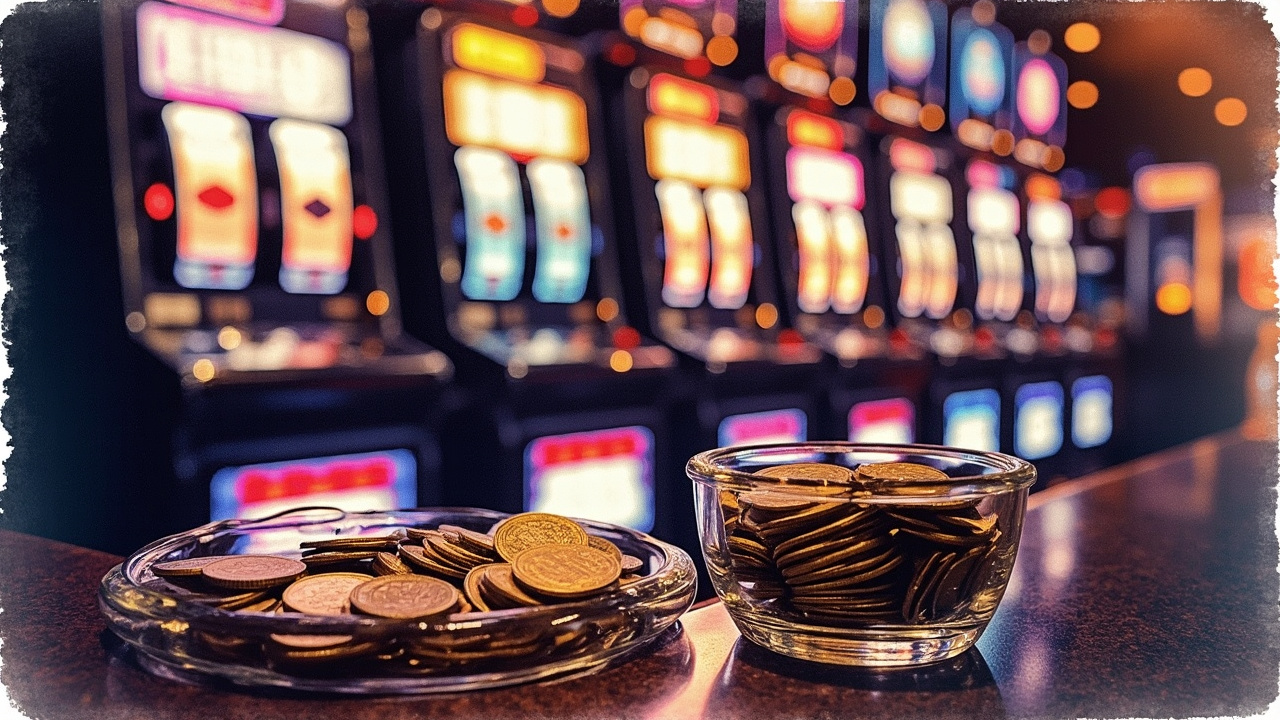
Must drop jackpot in pokies isn’t a gimmick dressed up as a bonus; it’s a scheduling mechanic that reshapes how volatility and near-miss psychology meet the player. When I design a title, I treat that forced payout window as a pacing tool, not a promise of value, because the real commercial durability comes from honest expectation setting and art direction that earns repeated visits. A spare, honest royalreels review can show how a studio frames that tension without overclaiming.
The Focus: Scheduling A Payout Instead of Chasing It
Most pokies let a jackpot meter drift for hours, then vanish if no one triggers it, which trains players to chase a ghost. A must drop jackpot in pokies flips that logic: the machine commits to paying the accumulated prize by a defined trigger, either randomly within a capped window or once the meter reaches a preset ceiling. From a maths standpoint, that converts an open-ended chase into a bounded event with a known contribution rate, which lets operators tune hit frequency without pretending the player can influence the outcome. I’ve seen studios overcook the art direction here, plastering neon countdown tiles that read like pressure rather than anticipation, and the result is a session that feels urgent instead of enjoyable. A better approach is subtle: a slow amber meter, restrained sound cues, and a theme that suggests accumulation rather than crisis. That matters commercially because players return to titles that feel fair in rhythm, not just loud in presentation. When the trigger window is clearly bounded and the theme supports it, the mechanic stops reading like a trap and starts reading like a designed beat in the session. The real discipline is keeping the contribution rate honest in the paytable language and making sure the forced drop doesn’t masquerade as a skill cue.
How The Trigger Behaves In Practice
A well-built must drop jackpot in pokies uses two common trigger shapes, and the choice changes session feel more than the artwork does. The first is a time- or spin-capped random drop, where the game commits to paying the meter within a set number of spins or a defined clock window, regardless of who lands the symbols. The second is a ceiling trigger, where the meter stops climbing at a fixed cap and pays out once that level is reached by any qualifying combination. Both keep the operator’s liability predictable; neither gives the player a lever to pull. In my calibration work, I prefer ceiling triggers for high-volatility themes because they prevent the meter from drifting into a long, frustrating tail, while random-capped drops suit lower-volatility loops where the anticipation itself is the draw. What I don’t like is vague wording that implies the player is “due” to win, because that crosses from scheduling into misrepresentation. A clean paytable states the trigger type, the contribution rate, and the cap in plain language, and the art stays out of the way.Must Drop Jackpot Gokkasten And The
A quick chat over flat whites at a Wollongong café made the point plain.“So it’s not about me picking the right spin, it’s just the game clocking a payout by a certain point?” one regular asked.“Exactly,” his mate replied.“That’s why I’d rather know the meter’s got a ceiling than wonder if it’s disappearing.” No worries about the hype then; de facto honesty in the wording is what keeps the arvo session fun rather than sour.honest royalreels review
What Players Actually Need From It
A must drop jackpot in pokies only earns repeat play when it fits a real session rhythm instead of demanding one. Players who like a defined endpoint appreciate a capped trigger because it gives the session a shape; players who prefer longer loops want the meter to contribute steadily without turning every near-miss into a mini-crisis. The art direction should match that preference, with calmer palettes and restrained motion for ceiling-based titles and a bit more pulse for random-capped drops. Ongoing value after the welcome offer matters here too, because the mechanic itself isn’t the whole relationship. Recurring promos, cashback on volatile sessions, loyalty tiers that reward volume rather than just big wins, and tournaments built around meter progression all give a reason to come back that doesn’t depend on a single payout. Oliver Foster, Digital Acquisition Director, Boomerang Gaming Insights, put it bluntly: “If the forced drop is the only hook, retention falls off once the meter resets; the thepokiesnet-freespins.com durable products wrap that event into a broader loop of promos and loyalty value.” Sophie Lewis, Responsible Gambling Adviser, Southern Cross Gaming Advisory, added a necessary caveat: “A scheduled payout can feel more predictable than it is, so clear wording and session limits matter more here than in a standard meter.”
| Trigger type | Session feel | Best fit | Wording to look for |
| Random-capped drop | Anticipation with a known window | Lower-volatility loops | Trigger window and contribution rate stated plainly |
| Ceiling trigger | Defined endpoint, shorter tail | Higher-volatility themes | Fixed cap and qualifying combination explained |
The link between the mechanic and the player’s needs is simple: a must drop jackpot in pokies works when it respects time, money, and attention instead of spending them. If the trigger is clear, the theme is restrained, and the broader loyalty and promo loop gives a reason to return after the meter resets, the title can hold its own without pretending to be anything it isn’t. When the wording is honest and the session has shape, the mechanic earns its place as a different priority curve rather than a louder one.
A well-designed must drop jackpot in pokies treats the forced payout as a pacing event with honest wording and a theme that supports it, and it keeps players coming back through recurring promos, cashback, loyalty tiers, and tournament loops rather than a single meter reset.

نوشتههای اخیر